Loading...
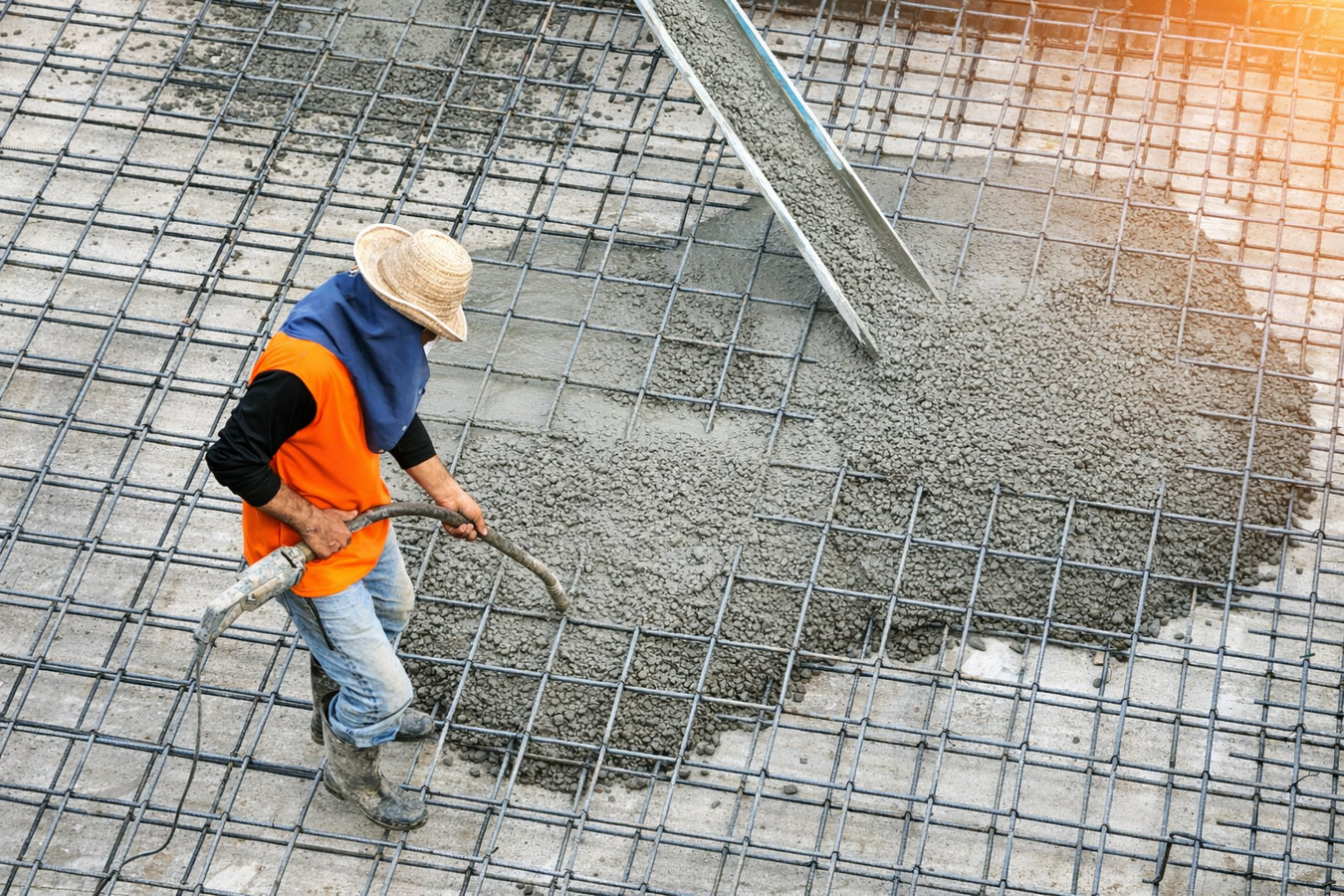
A foundation that was not built for Santa Clara soil and seismic conditions will show it within years. We install concrete foundations with engineered reinforcement, full permit management, and city inspection coordination so your structure starts on a base that lasts.
Foundation installation in Santa Clara covers site excavation and grading, a compacted gravel base, steel reinforcement placed to engineered specifications, seismic anchor bolt placement, a continuous concrete pour, and city inspection coordination at pre-pour and closeout stages - most residential projects take three to five days of active construction, with six to ten weeks total when permit review is included.
Most homeowners contact us for foundation installation when starting new construction, building a major addition, or addressing an existing foundation that has shifted to the point where reinforcement or replacement is the right call. Santa Clara's clay soils and proximity to active fault lines mean foundation design here cannot be generic - the soil assessment, steel pattern, and footing depth all need to reflect what is actually under your lot.
For projects where the foundation footprint is straightforward and a structural engineer is not required, our slab foundation building service covers that scope with the same permit and inspection process at a more accessible price point.
If doors or windows that used to open smoothly now stick, bind, or leave gaps at the corners, your foundation may be shifting. This is common in Santa Clara's clay-heavy soils, which expand and contract with seasonal rain and drought. It is worth having a contractor look at the foundation before assuming it is just a door or frame problem - the pattern of which doors stick can tell you a lot about where the movement is occurring.
Diagonal cracks that radiate from the corners of openings - especially if they are wider than a hairline - are one of the clearest signs that your foundation is moving. In Santa Clara, this pattern often appears after a dry summer when clay soil has shrunk away from the foundation and then re-expanded with fall rains. A single small crack is not always an emergency, but a pattern of them warrants a professional evaluation before you schedule any other work on the home.
If you notice a consistent slope when walking across a room, or if a marble rolls to one side without you pushing it, the foundation beneath that area may have settled unevenly. This is especially worth investigating in homes built before 1980, which make up a large share of Santa Clara's housing stock and may have foundations that were not designed to current seismic or soil standards.
If you are starting from scratch - whether it is a new home, a detached ADU, or a significant addition - you need a foundation installed before any framing can begin. In Santa Clara, this also means navigating the city's permit and plan review process. The sooner you start that process, the better, since plan review can add several weeks to your total timeline and contractor schedules fill up during peak building season.
We handle the project from first site visit to final permit closeout. That means coordinating engineered drawings when required, submitting the permit application to the City of Santa Clara Building Division, excavating and grading the site, calling 811 before any digging starts to mark underground utilities, setting forms to the plan dimensions, placing steel reinforcement and seismic anchor bolts, scheduling the pre-pour city inspection, and managing the concrete pour and curing period. For projects that also need standalone concrete pads, parking surfaces, or related work, our concrete parking lot building service can be coordinated in parallel to avoid duplicate excavation costs.
Homeowners building backyard ADUs or detached structures on flatter, more straightforward lots may find our slab foundation building service a better fit - it covers the same permit process and inspections without the engineering coordination that major new construction typically requires.
A full engineered foundation for a new home or major structure, including plan coordination, permit filing, all required inspections, and curing oversight. Built for Santa Clara's seismic and soil conditions.
Removal of an existing failing foundation and installation of a new one to current code. Requires careful planning around existing utilities and the occupied structure above.
A perimeter foundation with a crawl space below - less common than slab in Santa Clara but required on some sloped lots or where access to utilities below the floor is a priority.
A new foundation section that connects to your existing home's perimeter - requires grade matching and steel connections to the adjacent foundation to ensure the joint performs correctly over time.
Santa Clara sits at the heart of the San Francisco Bay Area, one of the most seismically active regions in the country. The Hayward Fault runs along the eastern edge of the county and the San Andreas Fault lies to the west. Every foundation we install here is engineered to resist the sideways forces that earthquakes produce - not just the downward weight of the structure. That means specific anchor bolt patterns, deeper footings in some soil types, and steel reinforcement placed according to California's current code requirements. These are standard parts of a properly permitted foundation in this city, not upgrades.
Many of Santa Clara's older homes - particularly the ranch-style properties built near downtown and around Santa Clara University in the 1950s through 1970s - were built before modern seismic standards were in place. When we assess an existing foundation on one of these homes, we often find anchor connections or reinforcement that does not meet current requirements. We serve homeowners throughout the region, including Oakland and San Jose, where aging housing stock and Bay Area seismic conditions create the same foundation challenges we address every week in Santa Clara. For seismic hazard maps specific to Santa Clara County, the California Geological Survey publishes updated information online.
Call or submit the contact form and we respond within 1 business day. We schedule a site visit to look at the lot, assess soil and access conditions, and understand your project goals. We do not quote foundation work without seeing the site - soil, grade, and access all affect the cost and the design.
After the site visit, we prepare a written, itemized estimate and coordinate engineered drawings when the city requires them. Once drawings are ready, we submit the permit application to the City of Santa Clara Building Division. Plan review typically takes two to four weeks for residential projects - this is the step that sets the pace for your entire schedule.
Once the permit is approved, we call 811 to mark underground utilities, then excavate and grade the site to the plan specifications. Forms are set, steel reinforcement is placed, and a city inspector visits to verify everything before the pour. No concrete goes in until that inspection is complete and signed off.
The concrete pour happens in a single continuous session - stopping partway creates weak joints that experienced crews avoid. Curing takes at least a week before framing can begin. We coordinate the final city inspection to close out the permit and hand you documentation confirming the work passed - something that matters when you sell or refinance.
Free on-site estimate. Permit coordination included. We respond within 1 business day.
(669) 348-0305Santa Clara sits near two major fault systems. Every foundation we install includes steel reinforcement and anchor bolt placement specified for California's current seismic requirements - not a generic regional spec. The Structural Engineers Association of California sets the standards we build to, and a city inspector verifies the steel placement before a single cubic yard of concrete goes in.
A large share of Santa Clara's housing stock was built in the 1950s through 1970s, before current seismic and soil standards were in place. When we evaluate an existing foundation on one of these homes, we tell you what we actually find - whether that is a foundation that is sound, one that needs targeted reinforcement, or one where replacement is the right call. We do not recommend more work than your situation calls for.
We work regularly across Santa Clara County and the broader Bay Area, which means we know how permit review timelines, soil conditions, and inspection scheduling differ city by city. That local knowledge keeps your project moving instead of stalling on a permit step a less experienced contractor missed.
Foundation installation in Santa Clara requires engineered drawings, permit submission, and at least two city inspections before the project is closed. We coordinate every step - drawings, application, pre-pour inspection scheduling, and final permit closeout. You never have to call the city's Building Division yourself. The permit record we hand you at the end protects you at resale and with your insurance carrier.
Every foundation we install in Santa Clara is permitted, reinforced for seismic loads, and built with the soil conditions of this specific city in mind. The goal is a foundation that holds its shape for decades and does not create problems for the structure above it when the ground moves.
For seismic hazard mapping in Santa Clara County, see the California Geological Survey Seismic Hazard Zone Maps. For contractor license verification, visit the California Contractors State License Board.
For commercial properties or multi-unit projects that need both foundation work and a concrete parking surface, we can coordinate both scopes to minimize excavation overlap and scheduling delays.
Learn moreHomeowners building ADUs, detached garages, or room additions often need a standalone slab rather than a full engineered foundation - our slab foundation service covers that scope from permit to final inspection.
Learn morePermit season fills up fast - call now for a free on-site estimate and lock in your start date before the plan review queue backs up.