Loading...
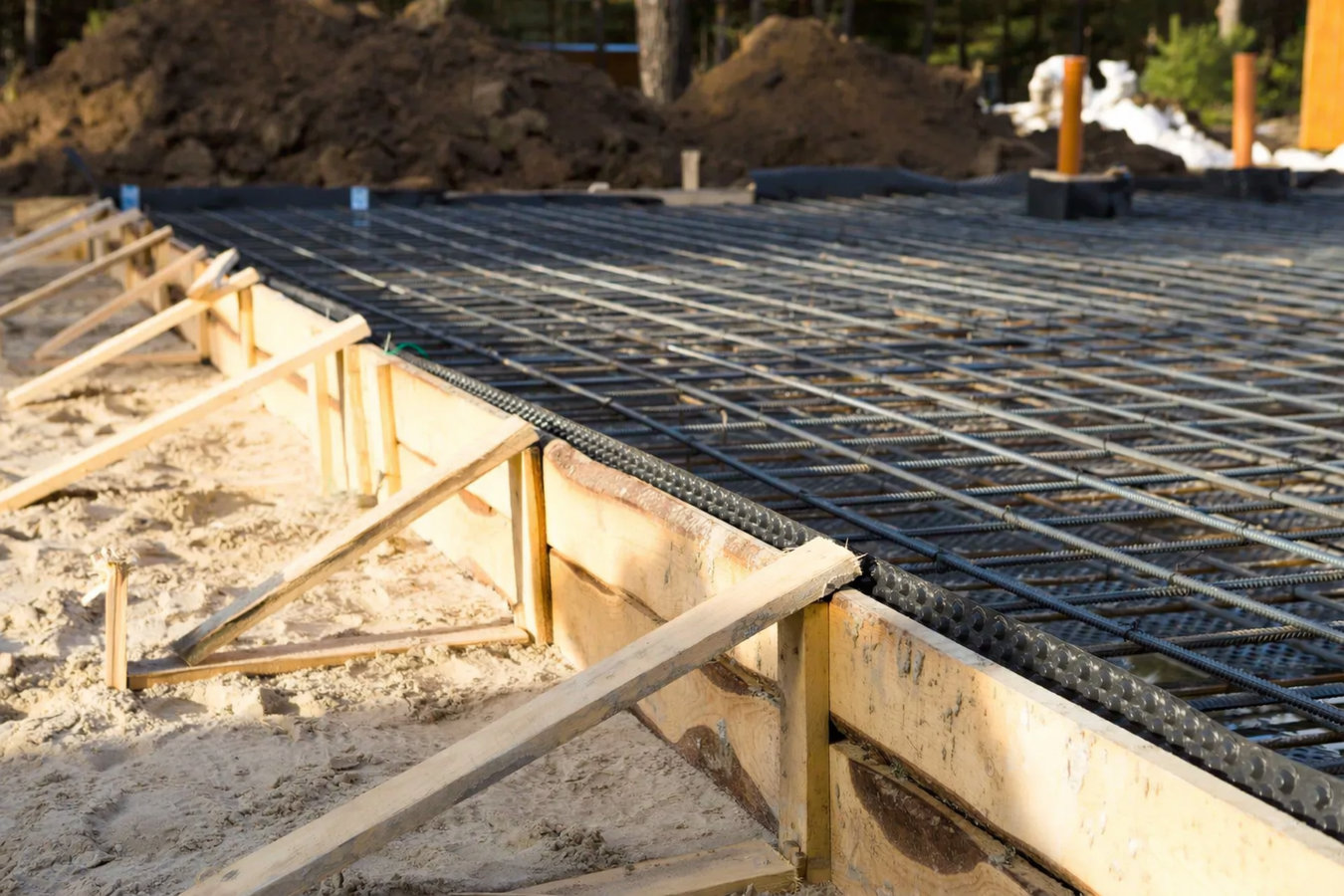
A foundation built wrong in Santa Clara means cracked slabs, sticking doors, and expensive repairs down the road. We build slab foundations with proper soil prep, steel reinforcement, and permit compliance so your home, ADU, or addition starts on solid ground.
Slab foundation building in Santa Clara covers site excavation, soil compaction, gravel subbase, moisture barrier, steel reinforcement, and a single concrete pour that becomes both the floor and the base of your structure - most residential projects take one to two weeks of active work, with permit review adding one to three weeks before the crew arrives.
Most homeowners in Santa Clara need a new slab when building a backyard ADU, adding a room, or replacing a deteriorated garage floor that no longer meets residential standards. Because Santa Clara sits on clay-heavy soils that shift with the seasons and near active fault lines, the preparation work under the slab matters as much as the pour itself. A foundation built on uncompacted or improperly graded soil will crack - often within a few years - regardless of how good the concrete mix is.
If your project also includes piers, thickened edge beams, or freestanding posts, our concrete footings service handles those elements so the full foundation system is built and inspected together.
If you are planning a new ADU, a detached garage, or a room addition in Santa Clara, you will need a new slab foundation before any framing can start. This applies whether you are building from scratch on a vacant area or converting a space that never had a residential-grade concrete base. No other work can proceed until the foundation is in place, inspected, and cured.
Small hairline cracks in concrete are normal over time, but cracks wider than about a quarter of an inch, cracks that run diagonally from corners of doors or windows, or sections of floor that feel like they are at different heights are signs the slab may be moving. In Santa Clara, this kind of movement is often related to clay soils expanding and contracting with seasonal rain - it does not always mean catastrophic failure, but a professional should evaluate it before it gets worse.
When a slab shifts even slightly, it can cause the walls and door frames above it to rack out of square. If doors that used to close easily now stick at the top or bottom, or if gaps are forming at the corners of window frames, the foundation beneath may be the cause. This symptom is especially worth paying attention to after a wet winter or a dry summer in Santa Clara, when soil movement is most pronounced.
Many older garages in Santa Clara were built with thinner concrete floors never designed to support a living space. If you are converting a garage to an ADU or a bedroom, the city will require the foundation to meet residential standards - which the original garage slab often does not. A concrete contractor can assess whether the existing slab can be reinforced or whether a new one needs to be poured entirely.
We manage the project from first visit through final city inspection. That means excavating and grading the site, compacting the subgrade, laying gravel and a moisture barrier, placing steel reinforcement in the pattern the plans require, coordinating the pre-pour inspection with the City of Santa Clara Building Division, and overseeing the pour and curing period. We file the building permit on your behalf - you do not need to contact the building department. For ADU projects and room additions that include piers or thickened post footings, our concrete footings service can be scoped alongside the main slab so both are built and inspected at the same time.
Projects that require a more comprehensive foundation approach - including replacement of an existing foundation or work requiring a structural engineer - may be better suited to our foundation installation service, which covers the full scope of engineered foundation work for new construction and major renovations.
A new slab poured to residential code standards for a detached backyard unit, including permit filing and all required city inspections. The most common project type we build in Santa Clara right now.
A slab that ties into your existing home's footprint for a new living space. Requires careful grade matching and steel connection to any adjacent foundation sections.
Assessment and replacement of an undersized garage floor to meet residential foundation standards required by Santa Clara for ADU and living-space conversions.
A standalone slab for a workshop, shed, or accessory structure. Design thickness and reinforcement depend on the load the structure will carry.
Santa Clara sits on clay-heavy soils that swell when wet and shrink when dry. That seasonal cycle puts constant stress on anything built on top of them. A slab poured on uncompacted clay without proper drainage will show cracks within a few years - not because the concrete was bad, but because the ground preparation was wrong. The state also requires that foundations in this area include specific steel reinforcement designed for seismic conditions, because Santa Clara sits near both the Hayward and San Andreas fault lines. These are not optional add-ons - they are standard requirements for any permitted slab in the city.
Santa Clara has also seen a surge in ADU construction driven by state housing laws, and the city has streamlined its approval process to reflect that demand. We work regularly in this environment, which means we know how to navigate the permit timeline without delays from missed steps or incomplete submissions. We serve homeowners throughout the South Bay, including San Jose and Sunnyvale, where clay soils and seismic conditions create the same foundation challenges we see every week in Santa Clara. For official permit requirements, the City of Santa Clara Building Division is the official source.
Call or submit the contact form and we respond within 1 business day. We ask about your project type, rough size, and whether you already have plans or permits started. We do not quote a foundation over the phone without a site visit - soil conditions and lot access both affect the price.
We visit your lot, assess soil conditions, measure the footprint, and evaluate access for concrete trucks. You get a written quote breaking out excavation, materials, labor, and permit fees. Most visits take 30 minutes and you receive the estimate the same day.
We prepare and submit the permit application to the City of Santa Clara Building Division. Plan review typically takes one to three weeks. We schedule the pour once the permit is approved and the pre-pour inspection is on the calendar - so you know exactly when the crew arrives.
Excavation and grading take one to three days. Steel placement and the pre-pour city inspection follow. The pour happens in a single day. Curing takes at least a week before framing can begin. We coordinate the final inspection and hand you documentation confirming the work passed - which matters when you sell or refinance.
Free on-site estimate. Permits handled for you. We respond within 1 business day.
(669) 348-0305Clay soil failure is the leading cause of cracked slabs in Santa Clara. We compact the subgrade, install the gravel drainage layer, and lay the moisture barrier before any reinforcement goes in. This groundwork is invisible once the job is done, but it is what keeps your slab level and intact through wet winters and dry summers for years to come.
Santa Clara sits near the Hayward and San Andreas fault lines, and state code requires specific steel reinforcement in any residential foundation here. We place steel rebar in the pattern your permitted plans specify and coordinate the pre-pour city inspection so an independent inspector verifies the placement before the concrete covers it. Per the American Concrete Institute, proper reinforcement placement is the single most important factor in long-term slab performance.
We work across Santa Clara County and the broader Bay Area, which means we know how permit timelines, soil conditions, and inspection scheduling vary neighborhood by neighborhood. That local experience keeps your project on schedule instead of stalling because of a missed step with the city.
Foundation permits in Santa Clara require plan review, pre-pour inspection, and a final closeout - three separate touchpoints with the city that your contractor needs to manage. We handle the application, track the review status, schedule both required inspections, and provide you with the permit record when the project is complete. Permitted work is documented, which protects you at resale and with your insurer.
Every slab foundation we build in Santa Clara is permitted, reinforced for seismic conditions, and prepared for the clay soils that move under this city every season. The goal is a foundation that holds its shape for decades - not one that needs attention a few years after the framing crew leaves.
For seismic hazard information relevant to Santa Clara, see the USGS Earthquake Hazards Program. For contractor license verification, visit the California Contractors State License Board.
For projects involving replacement of an existing foundation or new construction requiring engineered drawings and structural coordination, our foundation installation service covers the full scope.
Learn moreThickened edge footings and pier footings that anchor load-bearing walls and posts are a common companion to slab foundation work on ADUs and room additions.
Learn moreContractor slots fill fast during ADU season - call now for a free on-site estimate and lock in your start date before the permit window gets backed up.