Loading...
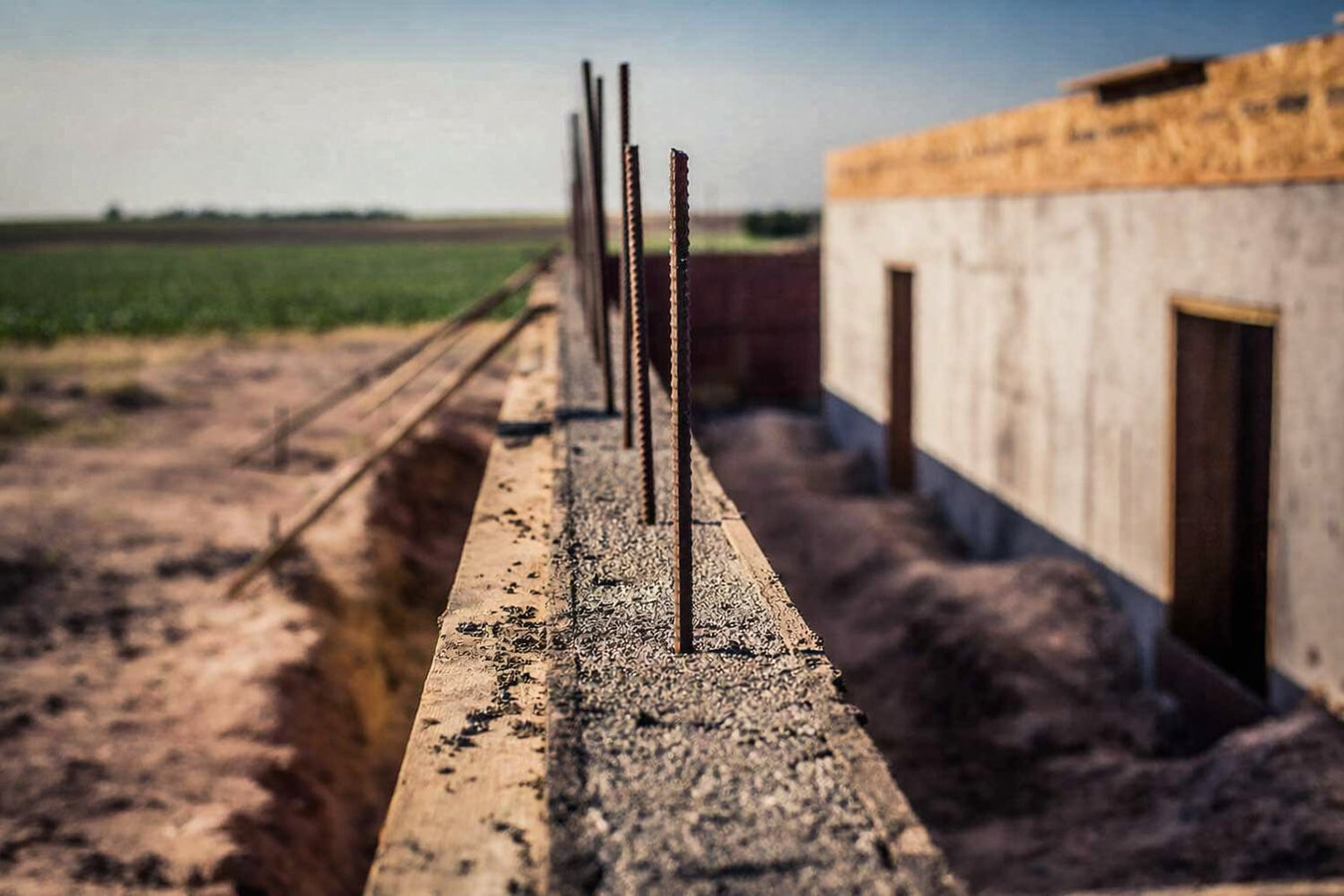
A sinking slab causes sticking doors, uneven floors, and cracks that spread over time. We lift sunken foundations in Santa Clara back to level - without demolition, without weeks of disruption, and with a written estimate before any work starts.
Foundation raising in Santa Clara lifts sunken or uneven concrete slabs back to their original level by pumping material through small drilled holes to fill the void underneath - most residential jobs take one to two days, and you can walk on the repaired surface within a few hours of the crew finishing.
Homeowners in Santa Clara call us when they notice a floor that slopes, doors that drag, or gaps opening up between the floor and the baseboards. These are quiet early warnings that the slab beneath has settled. In this city, the cause is almost always related to the clay-heavy soil that expands in wet winters and contracts in dry summers - repeating that cycle for years until the support beneath the concrete gives way.
Foundation raising is a repair, not a rebuild. If the concrete itself is too damaged to lift, we will say so honestly and discuss whether slab foundation building is the right path forward instead.
If a door that used to swing freely now drags on the floor, or a window will not latch the way it used to, the frame around it may have shifted. This often happens when the foundation beneath that part of the house has settled unevenly. It is one of the earliest and most noticeable signs that something is changing below the surface.
Small hairline cracks in drywall are usually harmless. But diagonal cracks running from the corners of windows or doors - or cracks wider at one end than the other - can signal that part of your foundation has dropped. In Santa Clara's clay-heavy soil, these cracks often appear or worsen after a dry summer when the ground has contracted.
If you place a marble on your floor and it rolls consistently toward one corner, or if you notice a slope when walking through a room, the slab beneath may have settled. This is especially common in Santa Clara homes built in the 1950s and 1960s, where original soil compaction may not have met today's standards.
When a slab drops, it often pulls away from the walls and built-in cabinetry above it. If you notice a gap forming at the base of a wall or under a kitchen cabinet that was not there before, that is worth having looked at. It is a quiet sign that the floor level has changed - and these gaps tend to grow if the underlying cause is not addressed.
We offer two main methods for lifting a sunken slab: traditional mudjacking, which pumps a cementitious slurry beneath the concrete to fill the void and raise the surface, and foam injection, which uses an expanding polyurethane foam through smaller holes with a faster cure time. We will assess your slab, your soil conditions, and your budget and recommend which approach makes more sense for your specific situation - not just whichever one costs more. For slabs that are beyond saving, our slab foundation building service starts fresh with a properly prepared and compacted base.
After lifting, we patch all drilled holes with concrete filler, clean the work area, and walk you through the finished job before we leave. We also flag any drainage issues or other underlying causes we find during the assessment - because lifting a slab without addressing what caused it to sink in the first place is only a temporary fix. If the settling has caused damage to surrounding concrete, our concrete cutting team can remove and replace damaged sections as part of a complete repair.
For homeowners who want a proven, cost-effective method with a long track record. Uses a cementitious slurry pumped beneath the slab to fill voids and lift the concrete.
For homeowners who want smaller access holes and faster cure times. Expanding polyurethane foam sets quickly and works well in areas with restricted access.
For outdoor slabs that have settled unevenly over time, creating trip hazards or drainage problems. A one-day job in most cases.
For rooms where a sunken floor is causing doors to stick or gaps to open at baseboards. Minimal indoor disruption - the work is done from below.
Much of Santa Clara sits on clay-heavy soils that swell when wet and shrink when dry. Every rainy season, that soil absorbs water and expands. Every summer, it dries out and contracts. That cycle repeats year after year, and over time it gradually undermines the support beneath concrete slabs. Homes built in the 1950s through 1970s - which make up a large share of Santa Clara's housing stock - were constructed with soil compaction practices that were not designed to hold up through decades of this kind of movement. Add in the area's seismic activity, and it is easy to see why foundation settling is one of the most common calls we get.
We work on foundation projects throughout Santa Clara and the surrounding South Bay, including homeowners in San Jose and Sunnyvale who are dealing with the same clay soils and seasonal wet-dry cycles. The USGS Earthquake Hazards Program documents the ongoing seismic risk in this region, which is one reason we take foundation conditions here more seriously than in less active areas.
Reach out by phone or through our contact form. We reply within one business day and ask a few basic questions - where you are seeing the problem and how old your home is - so we come prepared. You do not need to know the technical cause.
We visit your property, check the slope of the slab, look for cracks and gaps, and assess the drainage around your foundation. This is where we give you a clear picture of what is happening and whether a permit will be needed for the work.
You receive a written estimate before anything starts. If the job requires a permit from the City of Santa Clara Building Division, we pull it - we will confirm this in writing. We do not ask you to skip the permit to save time.
The crew drills small holes, pumps the lifting material beneath the slab, and monitors the rise until the surface is level. Holes are patched, the area is cleaned, and we walk you through the finished work before leaving. Most jobs wrap up in one day.
We assess your slab, explain exactly what we find, and give you a written quote before any work begins. No pressure, no vague estimates.
(669) 348-0305Most of Santa Clara sits on soils that shift with every wet and dry season. We factor this into every job - assessing not just the slab, but what is underneath it - so the repair addresses the actual cause, not just the visible symptom.
The City of Santa Clara Building Division requires permits for structural repairs, and we pull them. Permitted work is inspected and documented, which protects your home's value and removes a potential issue at resale. We never suggest skipping the permit to cut corners.
We work on older ranch homes, newer townhomes, and everything in between across Santa Clara's neighborhoods. Familiarity with local housing stock - and with the city's permit office - means fewer surprises on your job.
Any contractor doing structural work in California must hold a valid state license. You can verify a contractor license on the California Contractors State License Board website in about two minutes - and we encourage you to check ours before signing anything.
Foundation raising in Santa Clara is more complex than in many other cities because of local soil conditions and seismic risk - and those factors demand a contractor who knows the area well. We bring both technical skill and genuine local familiarity to every job.
When damaged sections of your slab need to be removed cleanly before repairs begin, precision concrete cutting creates the opening without disturbing surrounding concrete.
Learn moreFor properties where the existing slab cannot be salvaged, a new slab foundation starts fresh with a design built for Santa Clara's soil and seismic conditions.
Learn moreSanta Clara's clay soils and seismic conditions mean foundation problems rarely stay small - the sooner you call, the simpler and less expensive the fix. We reply within one business day.